
Existing layers
The number and type of roofing layers affect whether another can be installed correctly.
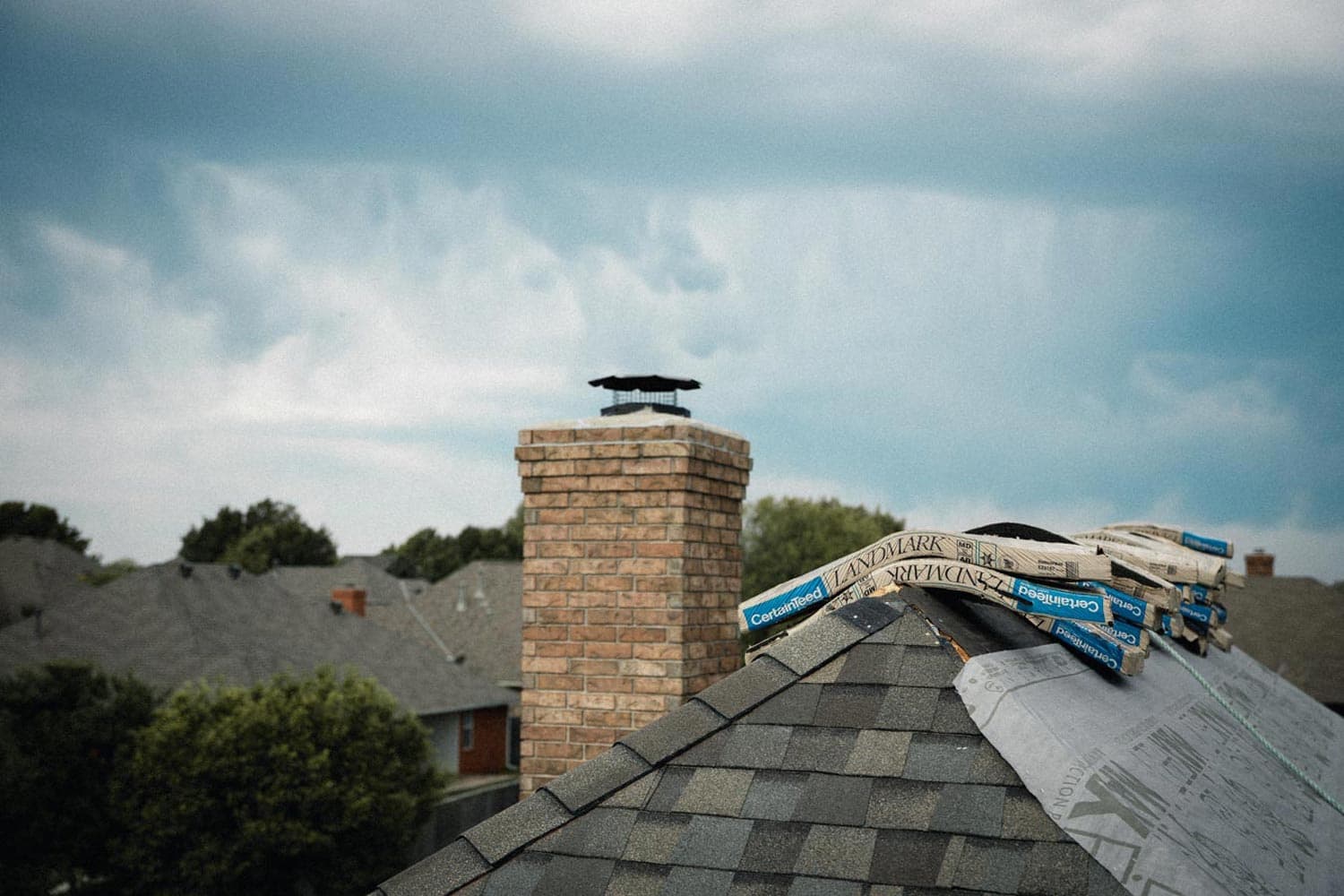
You may be able to install new shingles without tearing off the old roof—but only if the roof underneath is sound. We inspect the visible conditions and explain what you gain, what you give up, and which option makes sense.
An overlay works only when the existing roof provides a sound, even base. Covering a weak roof does not make the weakness disappear.
The number and type of roofing layers affect whether another can be installed correctly.
Curled, brittle, or uneven shingles can show through the new roof and keep it from lying flat.
Soft areas, active leaks, and trapped moisture are reasons to expose the deck instead of covering it.
Valleys, flashing, drip edge, vents, and penetrations still need a clean way to shed water.
The right method depends on the roof you already have. An overlay can reduce demolition, but a tear-off reveals the substrate and gives every new layer a clean start.
An overlay saves the tear-off by keeping everything underneath. That is the benefit—and the risk. You spend less on demolition, but lose the chance to inspect the entire deck and rebuild every layer from a clean surface.
We document the roof condition and explain which details can be rebuilt correctly before recommending either path.
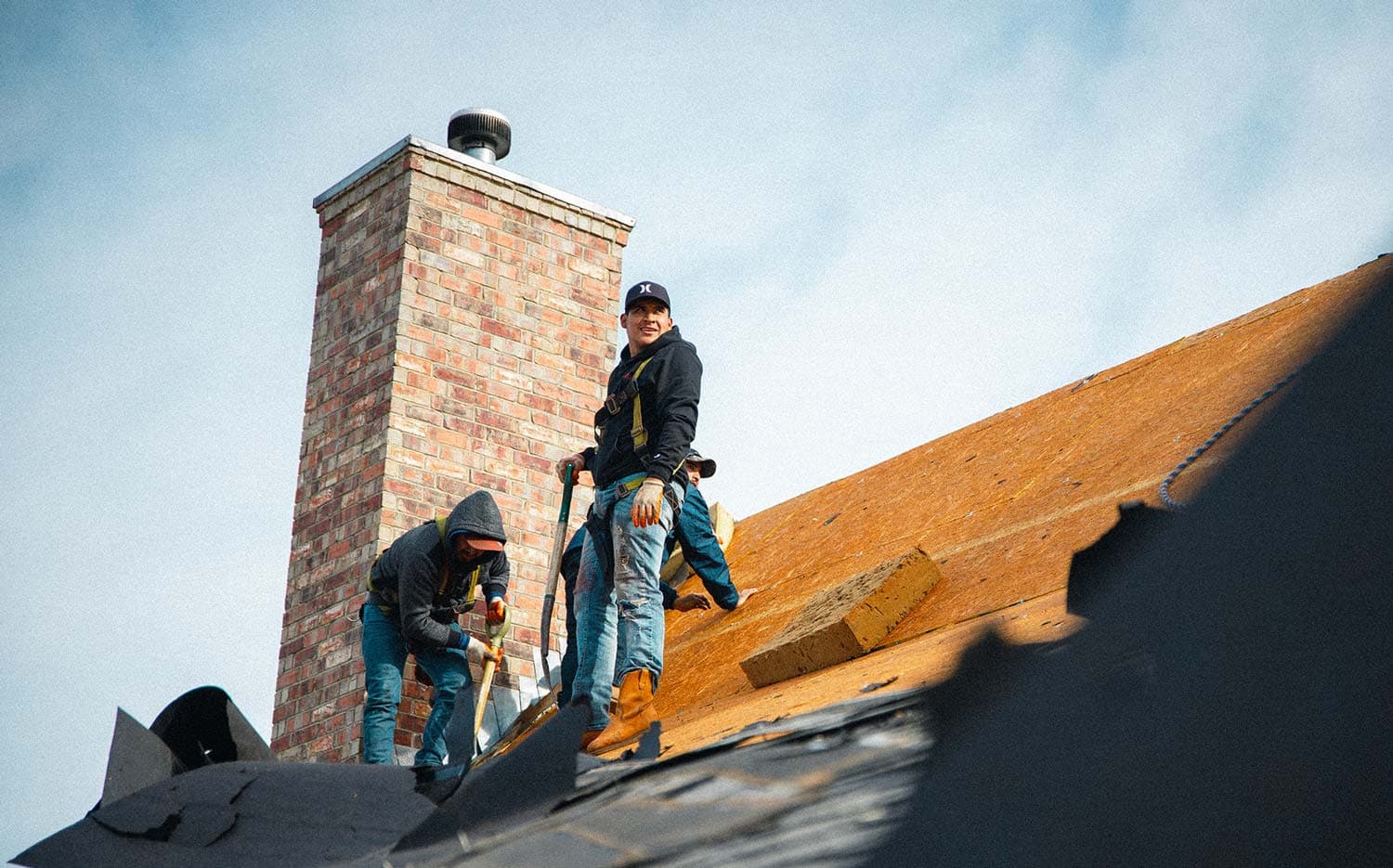
“Communication was great the entire process. If there were any delays or slowdowns, all I had to do was reach out and they made sure to do everything they could to make it right.”Mounica G. · Google Review
You deserve to know exactly what the lower-cost option saves and what it prevents us from inspecting. We put those tradeoffs in writing before you decide.
Before you pay for either method, get a clear answer about the roof you already have. We’ll inspect it and explain your options.